You’ve spotted a suspicious spot. Or maybe you’ve just noticed a musty smell that won’t go away. Either way, you’re probably wondering the same thing many of our clients ask first: how do professionals test for mold? At Insight Environmental, we walk homeowners through this process every day, and it’s more thorough than most people expect.
In this guide, we’ll break down exactly how mold testing works, from the first walkthrough to the final lab results. That way, you’ll know what to expect before you book an inspection.
Key Takeaways
- Professional mold testing combines a visual inspection with lab-based sampling for accurate results.
- The three main testing methods are air sampling, surface sampling, and bulk sampling.
- Air quality testing can catch hidden mold that a visual inspection alone would miss.
- DIY test kits can’t match the accuracy or species-level detail of certified, lab-confirmed testing.
- Insight Environmental’s certified team handles both residential and commercial mold testing across California.
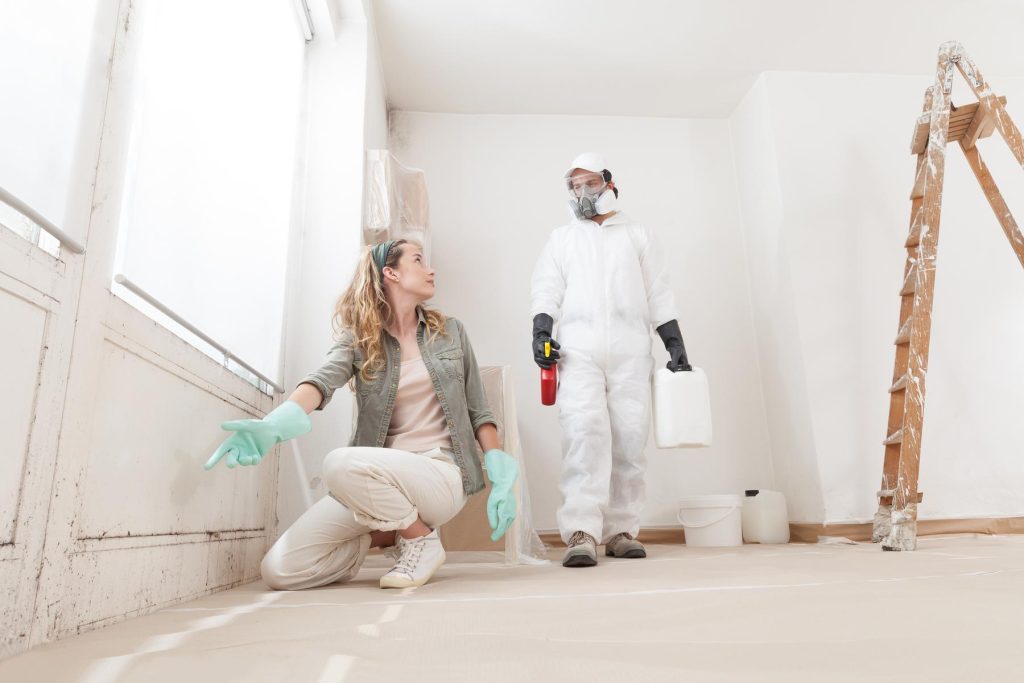
What Is Mold Testing, and Why Does It Matter?
So, how does mold testing work at its core? In short, it’s the process of confirming whether mold is present, and if so, what type and how much. Instead of guessing based on appearance, certified mold testing gives you lab-backed accuracy. This matters because two different molds can look nearly identical, yet carry very different health risks. For a closer look at how testing differs from a standard walkthrough, see our post on mold inspection vs mold testing and what’s the difference.
What Does a Mold Inspector Do First?
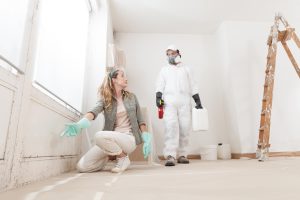
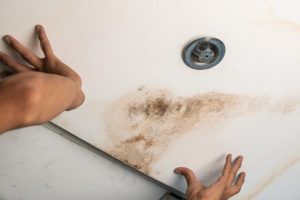
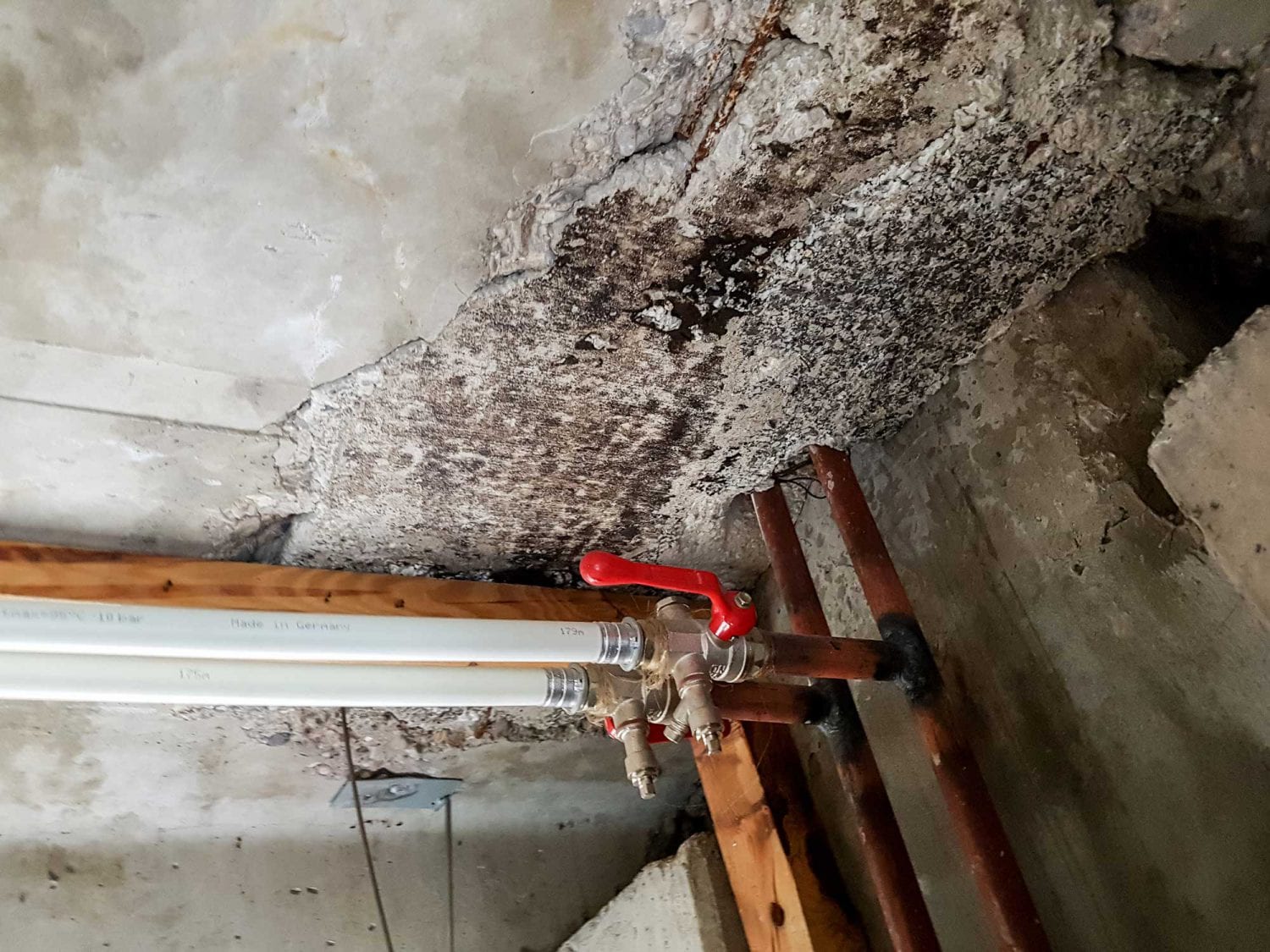
Before any samples are taken, a certified mold inspector starts with a visual walkthrough. First, they look for visible signs of mold, moisture, and water damage. Then, they check humidity levels in problem areas like bathrooms, basements, and attics. This step matters because it helps the inspector decide exactly where testing is needed most, rather than testing at random.
Types of Mold Testing Professionals Use
Once the walkthrough is complete, professionals typically choose from three main testing methods, depending on what needs to be confirmed.
Method | What It Detects | Best Used For |
Air Sampling | Airborne mold spores | Hidden or widespread contamination |
Surface (Swab/Tape) Testing | Mold on a specific surface | Confirming a visible spot or stain |
Bulk Sampling | Mold within a material sample | Testing drywall, insulation, or carpet |
Air Quality Testing for Mold — How It Works
Air sample testing uses a specialized pump to pull air through a collection device. From there, spores are captured and sent to a lab for analysis. This method is especially useful because it can catch mold you can’t see, including growth hidden behind walls or above ceiling tiles. In fact, this is one reason Insight Environmental’s indoor air quality testing is often paired with mold testing, since airborne spores and overall air quality tend to go hand in hand.
Surface Testing — Swabs, Tape Lifts, and Samples
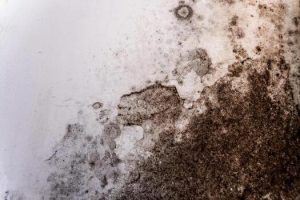
Surface testing works differently. Instead of sampling the air, a professional swabs or tape-lifts a visible spot directly. This confirms whether that specific stain or discoloration is actually mold, and if so, which species it is. Surface testing is typically used alongside air sampling, not instead of it, since each method answers a different question.
Wondering What's Really Growing in Your Home?
How Long Does Professional Mold Testing Take?
Most on-site testing appointments take about one to two hours, depending on the size of the property. However, lab results usually take a few additional business days. Because of this, homeowners should expect a short wait after the visit itself before receiving a full report.
Do I Need to Be Home During Mold Testing?
In most cases, yes, someone should be present to provide access to the property. That said, we also work directly with landlords, property managers, and real estate agents who may not be on-site every time. If you manage multiple properties, our guide on why professional mold testing is essential for California landlords and property managers covers this in more detail.
DIY Mold Test Kits vs. Professional Testing
Store-bought test kits can seem like an easy shortcut. However, they come with real limitations. Most kits can’t identify the exact mold species, and they’re prone to contamination if not handled carefully. As a result, the accuracy simply isn’t comparable. Insight Environmental’s professional mold testing services rely on certified sampling methods and lab analysis, so you get results you can actually trust.
Skip the Guesswork of DIY Testing
How Is Mold Testing Done in Commercial Buildings?
Commercial mold testing works a bit differently than a single-family home. Buildings are often larger, so testing may need to cover multiple units, shared HVAC systems, and common areas. In addition, property managers often need documentation for compliance or tenant records. Insight Environmental supports both residential and commercial mold testing across California, so the scale of your property isn’t a barrier to getting clear answers.
What Happens After Testing? Understanding Your Results
Once your samples reach the lab, results are analyzed and compared against normal indoor mold levels. From there, our team walks you through the findings in plain language, not technical jargon. If mold is confirmed, we’ll help you understand next steps, whether that means remediation, retesting, or simply monitoring the area going forward.
How Much Does Professional Mold Testing Cost?
Pricing varies depending on the size of the property, the number of samples needed, and whether it’s a residential or commercial job. That said, most homeowners find that testing costs are modest compared to the value of a clear, documented answer. This is especially true if the results support an insurance claim or a real estate transaction.
Frequently Asked Questions
How do professionals test for mold?
Professionals start with a visual inspection, then use air sampling, surface sampling, or bulk sampling to confirm mold presence. Samples are sent to a lab for analysis, which identifies the mold species and concentration. This combination gives far more accurate results than a visual check alone.
What is the most accurate way to test for mold?
Lab-based testing, combining air and surface samples, is the most accurate method available. Unlike DIY kits, certified testing identifies the exact mold species and concentration. This level of detail matters most when health, insurance, or real estate decisions depend on the results.
How long does professional mold testing take?
The on-site visit typically takes one to two hours, depending on the property's size. Lab analysis usually adds a few more business days. So, most homeowners receive full, documented results within about a week of the initial appointment.
Do I need to be home during mold testing?
In most cases, someone should be present to provide access to the property. However, testing can also be arranged with landlords, property managers, or real estate agents, so homeowners don't always need to be there in person.
How much does professional mold testing cost?
Cost depends on property size, the number of samples needed, and whether it's residential or commercial. While pricing varies, most homeowners find it a worthwhile investment for clear, lab-confirmed answers instead of guesswork.
Get Clear, Certified Answers About Mold in Your Home
Mold testing shouldn’t feel like a guessing game. With the right process, you’ll know exactly what’s in your home and what to do next. Insight Environmental’s certified team is ready to walk you through every step, from the first inspection to the final results. Contact us today to schedule your mold testing appointment.