Maybe your home is decades old. Maybe you just had plumbing work done. Or maybe a news story about contaminated water caught your attention. Whatever the reason, you’re probably asking the same question many of our clients ask: how to test water for lead? At Insight Environmental, we help California homeowners get clear answers about their water every day.
In this guide, we’ll cover the signs of lead in drinking water, the health risks, and how professional testing works. That way, you’ll know what to expect before you book.
Key Takeaways
- You can’t see, taste, or smell lead in water, so testing is the only way to know.
- Older plumbing, lead solder, and brass fixtures are common sources of lead in tap water.
- Professional lab testing is more reliable than most DIY kits.
- Boiling water does not remove lead.
- Insight Environmental provides professional lead testing for California homes and properties.
Can You See, Taste, or Smell Lead in Drinking Water?
No. Lead gives water no visible color, taste, or smell. Because of this, you can’t rely on your senses to know if there is lead in your drinking water. Instead, the real signs are indirect clues. For example, an older home, original plumbing, or corroded fixtures can all raise the odds of lead in tap water. That’s why testing is the only reliable way to know.
How Does Lead Get Into Drinking Water?
In most cases, lead doesn’t come from the water source. Instead, it enters water as it moves through your home’s plumbing. Common sources include:
- Lead pipes in older homes
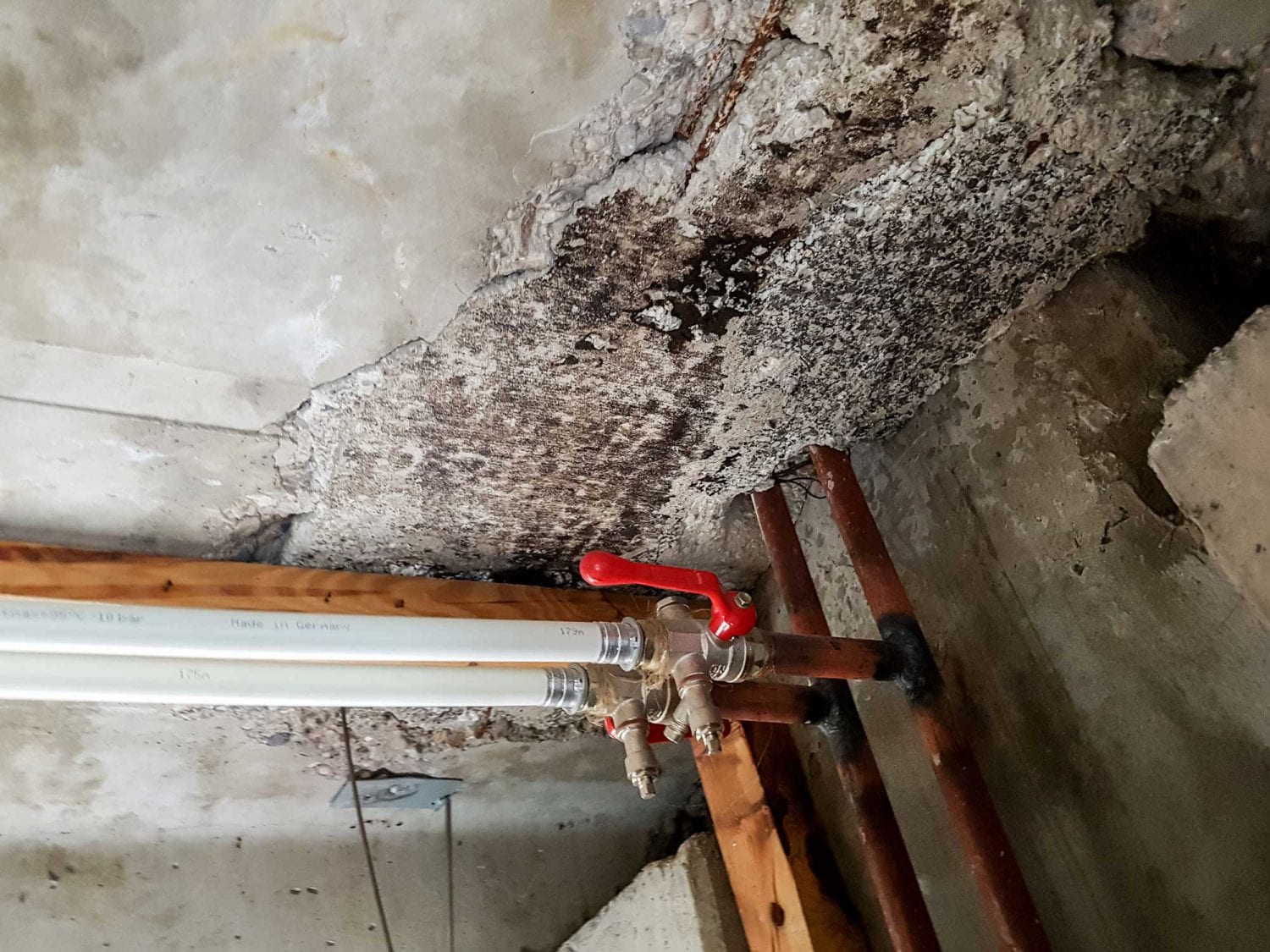
- Lead solder used to join copper pipes
- Brass fixtures and faucets that contain small amounts of lead
- Plumbing corrosion, which can release lead into the water over time
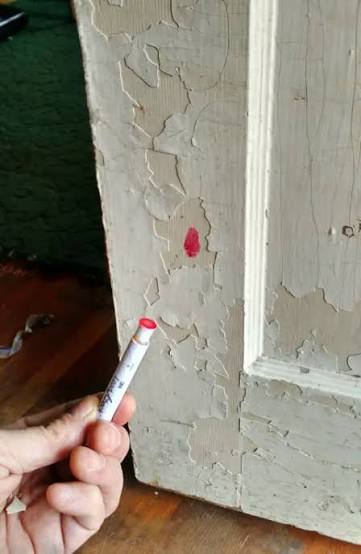
Home age matters here. Many older California homes still have aging plumbing, so lead contamination in water is more likely. To find out if you have lead pipes, check your pipe material or ask a licensed plumber. For other lead sources around your property, see our post, Do I Have Lead in My Home?
Is Lead in Water Dangerous? Health Risks Explained
Yes, it can be. According to the EPA and the CDC, there is no known safe level of lead exposure. Children and pregnant women are generally considered at higher risk, since lead can affect brain development. Adults can also be affected by long-term exposure. That said, the risk from lead poisoning from water depends on how much lead is present and how long exposure lasts. If you’re concerned about blood lead levels in your family, talk to your doctor. For the latest guidance, read the EPA’s information on lead in drinking water.
When Should You Test Water for Lead?
Testing makes sense in several situations. In particular, consider it if:
- Your home is older and still has original plumbing
- You’ve had recent plumbing work or renovations
- You’re buying or selling a home
- You manage rental properties as a landlord
- Young children or a pregnant family member live in the home
In short, if you’re unsure, it’s worth testing.
How to Test Water for Lead: How Professional Testing Works
So, how to test water for lead the right way? Professional testing follows a clear process. First, a proper first-draw water sample is collected. This is water that has sat in the pipes for several hours, so it reflects what’s inside your plumbing. Next, the sample goes to a certified lab for analysis. Finally, you receive a written report with your results. Insight Environmental’s professional lead testing takes the guesswork out of every step. And if you’re searching for professional water testing near me, our team serves homeowners and property managers across California.
Not Sure What's in Your Water?
DIY Lead Water Test vs. Professional Testing
Home water testing kits are easy to find. However, they have limits. Sampling mistakes are common, and most kits can’t match lab-grade measurement. As a result, a DIY lead water test may leave you with more questions than answers. Professional testing, by comparison, relies on lab-confirmed methods. So you get results you can trust and act on.
Lead Water Test Results Explained
Lead results are usually reported in parts per billion (ppb). The EPA sets an action level for lead in drinking water, and its health-based goal is zero. In simple terms, lower is better. Our reports spell out what your numbers mean, so you’re never left decoding them alone. If your results are high, we’ll point you toward sensible next steps.
Does Boiling Water Remove Lead? What to Do If Your Water Has Lead
No. Boiling does not remove lead. In fact, it can concentrate lead as the water evaporates. So, what should you do after a positive lead test? First, follow current EPA and CDC guidance. Then, talk to a licensed plumber or your water utility about your options. Finally, retest after any fix to confirm the problem is resolved.
Get Lab-Confirmed Lead Results
How Much Does Lead Water Testing Cost?
Cost depends on the number of samples and the type of property. For example, a single-family home usually needs fewer samples than a multi-unit building. That said, testing is a small expense compared with not knowing what’s in your water. For a clear quote, reach out to our team.
Lead Water Testing in California: Older Homes and the Central Coast
California has many older homes, and aging plumbing is common. As a result, lead in water in older homes is a real concern for many families. Insight Environmental provides lead water testing for California homeowners, including lead testing services across the Central Coast and in communities like Santa Barbara. Also, if you’re testing your water, consider testing for bacteria too. Our bacteria testing service covers that. For more on why it matters, read our post, Why Should I Test My Water for Bacteria?
Frequently Asked Questions
How do you know if there is lead in your drinking water?
You can't tell by looking, tasting, or smelling. The only reliable way is to test. A certified lab analyzes a water sample and reports the lead level. Older plumbing, lead solder, and corroded fixtures raise the likelihood, so homes with those features should be tested first.
Can you taste or smell lead in water?
No. Lead has no taste, smell, or color in water. That's why lead in tap water often goes unnoticed. A water sample tested by a certified lab is the only way to confirm whether lead is present and at what level.
How does lead get into drinking water?
Lead usually enters water from a home's plumbing, not the water source. Lead pipes, lead solder, and brass fixtures can release lead as they corrode. Older homes are more likely to have these materials, which is why plumbing age matters.
How do you test water for lead?
Professionals collect a first-draw water sample, which is water that has sat in the pipes for several hours. A certified lab analyzes the sample and reports the lead level in parts per billion. This is more reliable than most DIY kits.
Is it safe to drink water with lead in it?
No. The EPA says there is no known safe level of lead exposure, and its health-based goal for drinking water is zero. If testing shows lead, follow current EPA and CDC guidance and talk to your doctor about any health concerns.
Find Out What's Really in Your Water
Lead in water can’t be seen, tasted, or smelled, so guessing isn’t enough. With the right testing, you’ll know exactly what’s in your water and what to do next. Insight Environmental’s certified team will walk you through every step, from sampling to results. Contact us today to schedule your lead testing.