Water damage can happen fast. First, a pipe bursts. Then, water spreads across your floor or ceiling. Naturally, the first question most homeowners ask us is simple: how long does it take for mold to grow after water damage? At Insight Environmental, we hear this question all the time, and for good reason. Knowing the timeline can mean the difference between a quick dry-out and a full remediation project.
In this guide, we’ll walk through how fast mold can grow, what affects the timeline, and what you can do right now to protect your California home. We’ll also cover when it’s time to call in a professional for certified mold testing.
Key Takeaways
- Mold can begin growing within 24 to 48 hours after water damage occurs.
- The material affected, humidity level, and temperature all influence how fast mold spreads.
- Flooding tends to create faster, more widespread mold growth than a small leak.
- Acting quickly to dry out affected areas is the best way to prevent mold.
- Insight Environmental’s professional mold testing confirms whether mold has already started, even if you can’t see it yet.
The Short Answer — Mold Growth Timeline After Water Damage
In most cases, mold can begin growing within 24 to 48 hours after water damage occurs. That’s because mold spores are already present in most homes. They simply need moisture, warmth, and an organic surface to feed on. Once those three conditions line up, growth can start almost right away. Because of this narrow window, homeowners often have less time than they think to respond.
How Fast Does Mold Grow After a Flood?
Flooding is different from a small leak. Water tends to sit longer, soak deeper, and cover far more surface area. As a result, mold often grows faster and spreads more widely after a flood. In many cases, entire walls, flooring, and furniture need to be assessed. So, if your home has recently flooded, don’t wait to have it inspected. Every hour adds risk, and the Insight Environmental team is here to help you understand exactly what you’re dealing with.
How Long Before Mold Grows After a Leak?
Not all leaks behave the same way. A sudden, visible leak gives you a clear starting point, so the 24-to-48-hour clock begins right away. However, a slow, hidden leak — like one behind a wall or under a floor — can go undetected for weeks. In that case, mold may already be established before you notice a problem. This is one reason many homeowners turn to our guide on signs mold may be present even if you can’t smell it when something just feels off.
Does the Material Matter? Mold Growth by Surface Type
Yes, the surface affected plays a big role in how quickly mold takes hold.
- Drywall: Highly porous. Absorbs moisture quickly. High risk within 24–48 hours.
- Wood and subflooring: Slower to show visible mold, but moisture penetrates deep, which makes drying more difficult.
- Carpet and padding: Traps moisture close to the surface. Very high risk. Often needs replacement rather than drying.
Material | Absorption Speed | Typucal Mold Risk Window |
Drywall | Fast | 24-48 Hours |
Wood / Subflooring | Moderate | 48–72 hours (deeper risk) |
Carpet / Padding | Very Fast | 24–48 hours |
How Quickly Can Mold Spread in a House?
Mold doesn’t stay in one place for long. Instead, it releases spores into the air, and those spores travel to other rooms. Consequently, a small, contained issue can turn into a larger indoor air quality concern within days. This is exactly why Insight Environmental encourages homeowners not to wait until mold is visible before taking action.
Worried Mold Has Already Started?
Signs Mold Is Already Growing After Water Damage
Sometimes, mold announces itself. Other times, it doesn’t. Common signs include:
- A musty, earthy smell
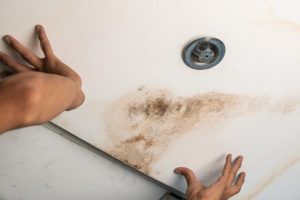
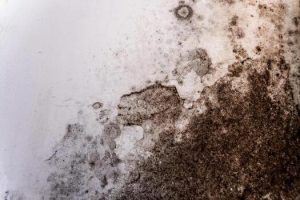
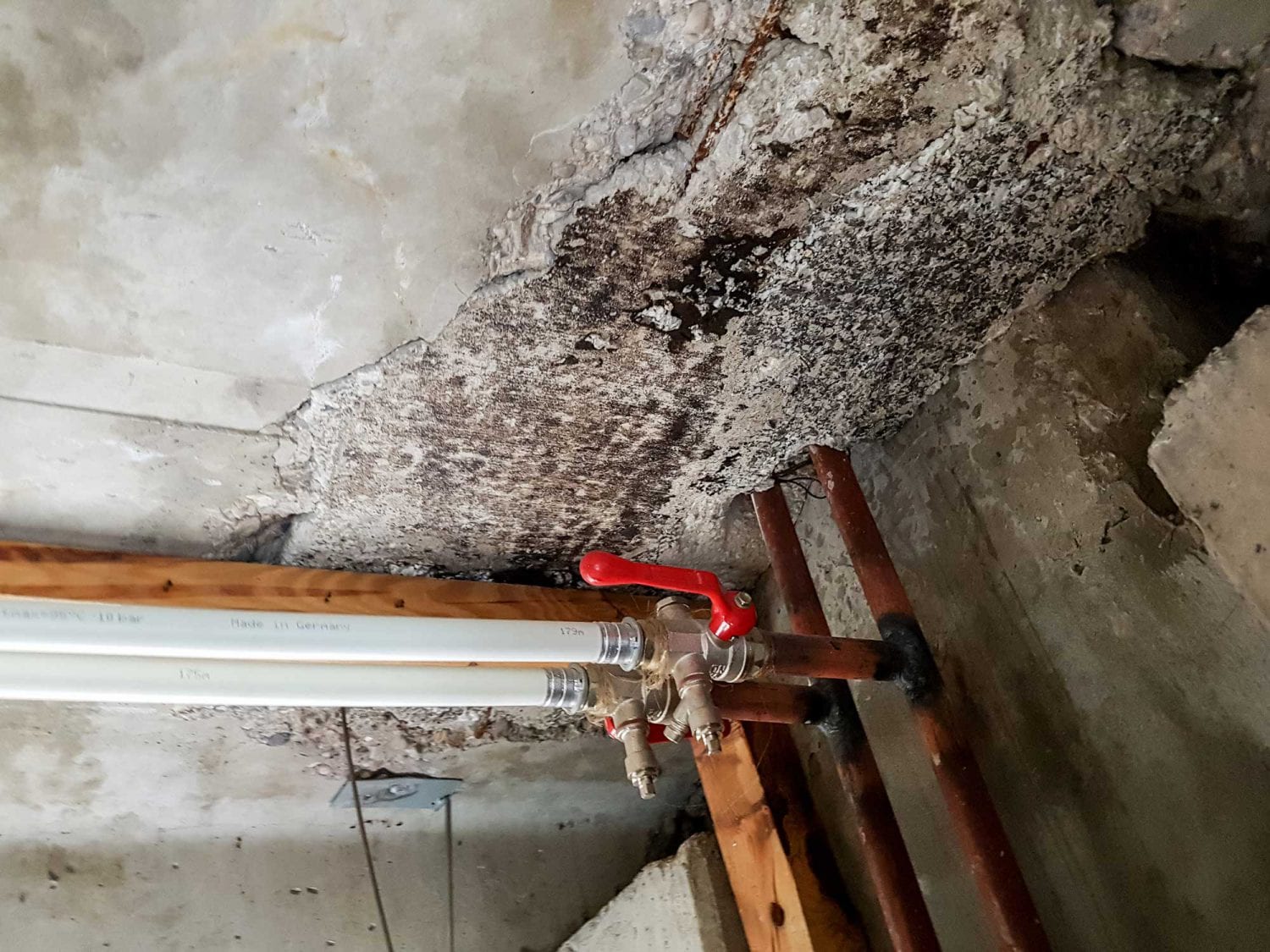
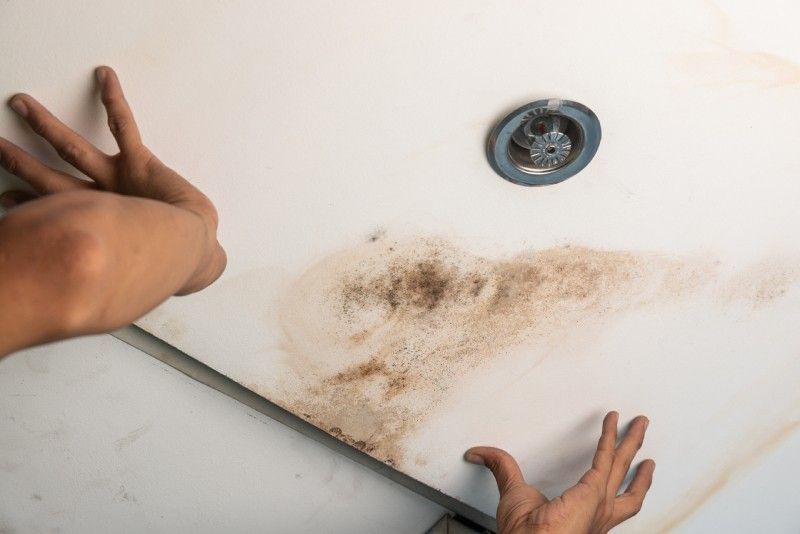
- Discoloration on walls, ceilings, or floors
- Warped or bubbling material
- Allergy-like symptoms that improve when you leave the house
If any of these sound familiar, it’s worth a closer look. Our guide to 10 signs you may have hidden mold in your home covers this in more detail.
How to Stop Mold Growth After a Leak
The good news is, you have some control here. To lower your risk, act quickly:
- Remove standing water as soon as possible.
- Run fans and dehumidifiers to speed up drying.
- Remove soaked carpet, padding, or insulation.
- Monitor humidity levels until everything is fully dry.
Overall, the sooner you act within that 24-to-48-hour window, the better your odds of avoiding mold altogether. Insight Environmental also offers indoor air quality testing, so if you’re ever unsure whether an area has fully dried out, our team can confirm it with real data instead of guesswork.
Is It Too Late to Prevent Mold After a Flood?
If it’s already been longer than 48 hours, don’t panic. It’s not too late to take action. Even after that window has passed, testing can confirm what’s growing and how far it has spread. From there, you’ll know exactly what needs to happen next, whether that’s remediation or simply peace of mind.
Past the 48-Hour Window? We Can Still Help.
Why California Homes Are Especially at Risk
California’s climate doesn’t always help. Coastal humidity, older homes, and seasonal storms all add to the challenge of drying out water damage quickly. In addition, many older properties have ventilation systems that weren’t built for today’s weather patterns. Because of this, Insight Environmental works with homeowners across the state, not just after visible damage, but any time indoor air quality is in question.
Do You Need Mold Testing After Water Damage?
Here’s the truth: you can’t always see mold, even when it’s there. Mold often grows inside walls, under flooring, or behind cabinets, where it stays hidden from plain sight. Because of this, visual inspection alone isn’t enough. Insight Environmental’s certified mold testing services give you clear, lab-confirmed answers, so you’re never left guessing after a water event. And if air quality is a concern beyond just mold, our indoor air quality testing can give you a fuller picture of what’s happening inside your home.
Frequently Asked Questions
How long does it take for mold to grow after water damage?
Mold can begin growing within 24 to 48 hours after water damage occurs. Once moisture, warmth, and an organic surface come together, spores that are already present in most homes can multiply quickly. This is why fast drying and cleanup make such a big difference in preventing mold from taking hold.
Can mold grow in 24 hours?
Yes, mold can begin developing within 24 hours if moisture, warmth, and an organic material are present. Visible mold may take a bit longer to appear, but growth often starts beneath the surface first. That's why quick action after water damage is so important for preventing a larger problem.
How do I know if mold is growing after a water leak?
Watch for a musty smell, visible discoloration, or warped material near the affected area. Allergy-like symptoms that ease when you leave the house can also be a clue. However, mold isn't always visible, so professional testing is the most reliable way to confirm it.
Is it too late to prevent mold after a flood?
Not necessarily. While the 24-to-48-hour window is ideal for prevention, testing can still help even after that point. It will confirm what's growing and how far it has spread, so you'll know whether remediation is needed or the damage is more limited than expected.
Do I need mold testing after water damage?
In most cases, yes. Mold often grows in places you can't see, like inside walls or under flooring. Testing gives you lab-confirmed answers instead of guesswork, which matters most if you're filing an insurance claim or noticing symptoms that don't improve on their own.
Don't Wait for Mold to Take Hold — Get Certified Testing Today
Water damage moves fast, and mold can move just as quickly behind the scenes. Instead of guessing whether your home is at risk, let Insight Environmental confirm it for you. Our certified mold testing gives California homeowners clear, lab-backed answers, so you can act with confidence instead of uncertainty. Contact us today to schedule your inspection.