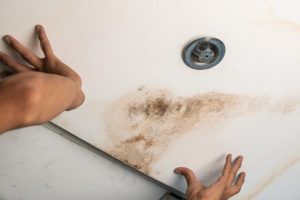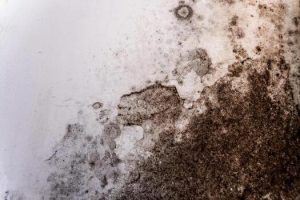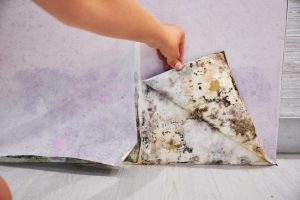
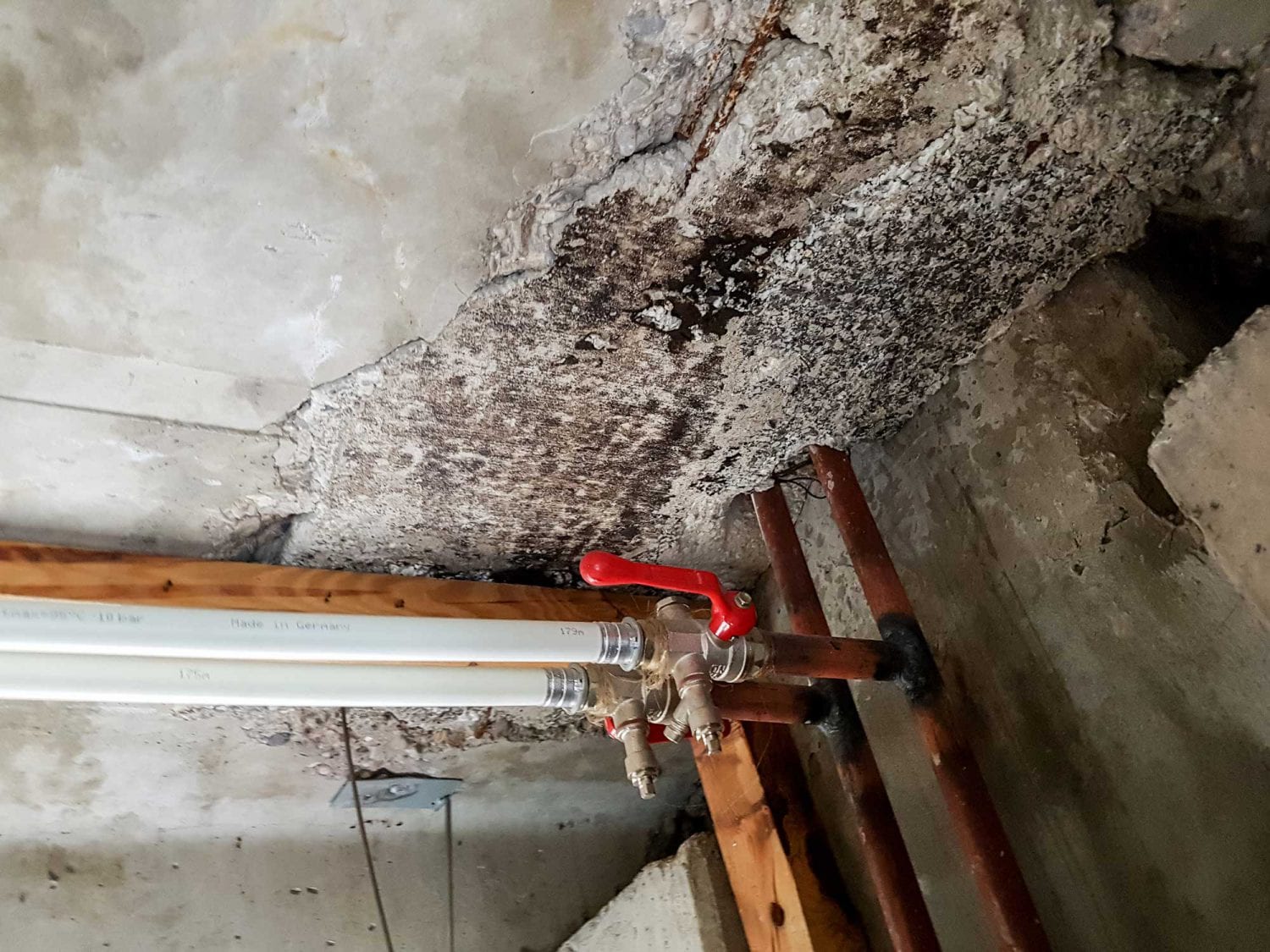
You spot a dark patch spreading across your bathroom ceiling or creeping along a windowsill, and the first question that comes to mind is always the same: is this black mold, or just regular mold? At Insight Environmental, it’s one of the questions our California clients ask us most, and for good reason — the internet is full of conflicting, fear-driven information about black mold vs mold that makes an already stressful situation more confusing.
In this guide, we’ll walk you through what actually separates black mold from other common household molds, what the health risks really are, and why visual identification alone almost never gives you a reliable answer. By the end, you’ll know exactly what to look for and when it’s time to bring in a professional for certified testing.
Key Takeaways
- “Black mold vs mold” is a common comparison, but not all dark-colored mold is actually Stachybotrys chartarum (true black mold).
- All mold — not just black mold — can trigger allergic reactions and respiratory irritation.
- Color alone is not a reliable way to identify mold type; lab testing is the only definitive method.
- California’s humidity, coastal moisture, and older housing stock create ideal conditions for mold growth.
- Professional mold testing gives homeowners and landlords documented, actionable answers.
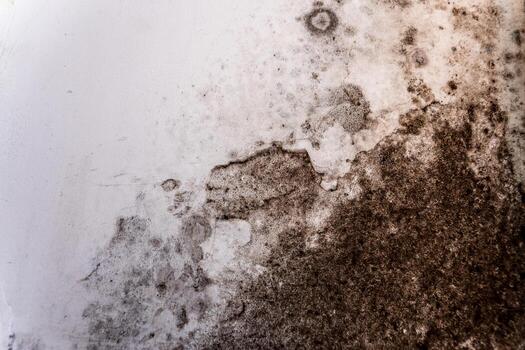
What Is "Regular" Mold, Really?
Mold is an umbrella term for thousands of different fungal species, and most of what grows in homes falls into a handful of common types. Cladosporium, Aspergillus, and Penicillium are among the most frequently found household molds in California properties, and they typically appear green, white, or gray rather than the dark, slimy black most people picture.
These common molds tend to show up in damp, low-airflow areas — bathroom grout, window tracks, closets, and anywhere moisture lingers. They’re often mistaken for “harmless” mildew, but any mold growth indoors is a signal that moisture is present and should be addressed.
What Makes Black Mold Different?
When people say “black mold,” they’re usually referring to Stachybotrys chartarum, a specific mold species with a dark greenish-black, often slimy appearance when actively growing. Unlike common household molds that can tolerate general humidity, Stachybotrys typically requires a more persistent moisture source — a chronic leak, long-term water intrusion, or flooding damage that hasn’t fully dried out.
This is an important distinction in the black mold vs mold conversation: true black mold usually points to a more significant, ongoing moisture problem, not just everyday indoor humidity.
Black Mold vs. Mold — Key Differences at a Glance
Here’s a side-by-side comparison to make the differences easier to spot:
Feature | Black Mold (Stachybotrys) |
| |
Appearance | Dark greenish-black, slimy when wet | Green, gray, white, or orange; often powdery | |
Common Locations | Chronically wet drywall, wood, ceilings | Bathrooms, windowsills, HVAC vents, food | |
Growth Conditions | Prolonged moisture, poor ventilation | General humidity or minor moisture | |
Health Risk Level | Potentially higher with prolonged exposure | Ranges from mild irritation to allergic reaction |
Not Sure If It's Black Mold? Find Out for Certain.
Is Black Mold More Dangerous Than Other Mold?
This is where a lot of myths creep in. Black mold isn’t automatically “toxic” — the term people usually mean is that certain mold species, including some strains of Stachybotrys, can produce mycotoxins under specific conditions. But mycotoxin production depends on the mold’s environment, not just its color, and non-black molds can produce concerning compounds too.
The more accurate takeaway: prolonged exposure to any mold growth can affect indoor air quality and health, and the presence of black mold is often a sign that the underlying moisture problem has been present for longer, which is what actually drives higher exposure risk. For more on how mold and air quality interact with your health, see our guide on how your indoor air quality affects sleep and overall health.
Symptoms: Black Mold vs. Regular Mold Exposure
Symptoms from black mold and common household mold exposure often overlap, which is part of why relying on symptoms alone to self-diagnose the type of mold in your home isn’t reliable:
- Respiratory irritation, coughing, or wheezing
- Nasal congestion, sinus pressure, or sneezing
- Skin irritation or rashes in sensitive individuals
- Headaches and fatigue with prolonged exposure
- Worsened asthma or allergy symptoms
If you or your family are experiencing persistent symptoms that improve when you’re away from home, it’s worth having your indoor air quality and any visible mold professionally assessed. Our post on the 10 signs you may have hidden mold in your home is a helpful next read.
How to Tell If You Have Black Mold or Regular Mold
Here’s the honest answer most homeowners don’t want to hear: you cannot reliably identify mold type by looking at it. Lighting, the surface it’s growing on, moisture level, and age of the growth all affect color and texture, so two homeowners can look at very similar-looking mold and have two completely different species growing.
This is exactly why professional identification matters. To understand how testing actually confirms mold type — rather than guessing based on appearance — read our breakdown of mold inspection vs mold testing and what’s the difference.
Not Sure If It's Black Mold? Find Out for Certain.
Why California Homes Are Especially at Risk
California’s climate creates near-perfect conditions for mold growth in many regions. Coastal humidity, older housing stock with outdated ventilation, seasonal rains, and even wildfire-related moisture intrusion from firefighting efforts can all contribute to hidden mold problems. Homes in coastal and high-humidity areas are particularly susceptible, which is why we always recommend seasonal awareness rather than waiting until mold is visible. Our guide on California summers and your air quality covers this in more detail.
Do You Need Professional Testing to Know for Sure?
If you’ve spotted mold and want a definitive answer on what you’re dealing with, professional lab testing is the only reliable path. At Insight Environmental, our certified mold testing process identifies the exact species present, measures spore concentration, and gives you documented results you can act on — whether that means remediation, an insurance claim, or peace of mind that the issue is minor.
Not sure whether visible mold is even the full picture? Some of the most serious mold problems are the ones you can’t see. Our article on signs mold may be present even if you can’t smell it explains what else to watch for.
Frequently Asked Questions
What's the difference between black mold and regular mold?
Black mold typically refers to Stachybotrys chartarum, a dark greenish-black species that usually grows in areas with prolonged, significant moisture. "Regular" household molds, like Cladosporium or Aspergillus, are more common, tend to appear green, white, or gray, and can grow with less persistent moisture.
Is black mold worse than other mold?
Not automatically. All mold can affect indoor air quality and trigger health symptoms with prolonged exposure. Black mold is often associated with longer-standing moisture problems, which can mean more extensive exposure over time — but the mold's color alone doesn't determine how dangerous it is.
Can regular household mold still make you sick?
Yes. Common molds can still cause allergic reactions, respiratory irritation, and worsened asthma symptoms, especially with ongoing exposure. No type of indoor mold growth should be ignored.
How do I know if the mold in my house is black mold?
Visual identification isn't reliable, since appearance varies based on moisture, surface, and lighting. The only way to confirm mold species with confidence is through professional lab testing.
Do I need a professional to identify black mold?
Yes, if you want a definitive answer. Professional mold testing identifies the exact species present and provides documented results, which is especially important for insurance claims, real estate transactions, or health-related concerns.
When to Call a Professional
Whether the mold in your home turns out to be true black mold or a more common household variety, the safest move is the same: don’t guess. Confirming what you’re dealing with — and how far it’s spread — protects your health, your home, and potentially your insurance coverage. If you’re weighing next steps, our guide on whether mold testing and inspection is covered by home insurance is a good place to start.