Many people believe mold always comes with a strong, musty odor. In reality, that is not always the case. At Insight Environmental, we often perform inspections where mold without smell is already affecting a home’s indoor environment. Relying on odor alone can lead to delayed detection and bigger problems.
Hidden mold in homes frequently grows out of sight. It can exist behind walls, under flooring, or inside HVAC systems without producing a noticeable scent. Understanding the signs mold may be present, even without odor, helps homeowners take action before health and structural concerns worsen.
Key Takeaways
- Mold does not always produce a musty smell
- Moisture history is a stronger indicator than odor
- Mold often grows behind walls, ceilings, and flooring
- Health symptoms may appear before visible mold
- Professional testing is the most reliable way to detect hidden mold
Can Mold Be Present Without a Musty Smell?
One of the most common questions we hear is, can mold be present without a musty smell? The answer is yes. Odor depends on mold type, airflow, and growth stage. Some mold colonies release very little scent, especially in enclosed spaces.
Mold presence without odor is common when growth is hidden or still developing. Areas with limited air circulation trap spores and moisture, preventing smells from spreading. This makes odor an unreliable indicator.
Because of this, professional evaluation focuses on environmental conditions, not just scent.
Why Smell Alone Is Not a Reliable Mold Indicator
Odor-based detection often fails because mold behaves differently depending on location. Mold behind walls or under flooring may not release noticeable smells into living spaces.
In some cases, homeowners become accustomed to subtle odors over time. In others, HVAC systems dilute smells before they are noticeable. This is why indoor mold warning signs go beyond what you can smell.
Visual clues, moisture issues, and health symptoms often appear first.
Moisture Problems and Mold: The Biggest Clue
The strongest indicator of hidden mold is moisture. Moisture problems and mold are directly connected. Any past water intrusion creates ideal conditions for mold growth.
Leaks, flooding, condensation, or high humidity all contribute. Even if repairs were made, moisture may remain trapped behind surfaces. Over time, this leads to mold growth without smell.
If your home has a history of water issues, mold testing is strongly recommended.

Mold Behind Walls: What You Can’t See Can Hurt You
Mold behind walls is one of the most common findings during inspections. Drywall and insulation absorb moisture easily. Once wet, they create a dark, enclosed environment perfect for mold.
Common signs include bubbling paint, discoloration, warped walls, or peeling wallpaper. These are invisible mold signs that indicate deeper problems.
Ignoring these clues allows mold to spread unchecked.
Mold in Ceilings and Crawl Spaces
Mold in ceilings and crawl spaces often develops from roof leaks, plumbing issues, or condensation. These areas are rarely inspected and usually poorly ventilated.
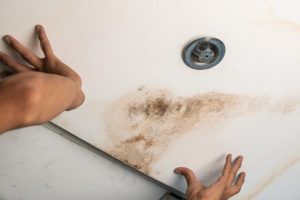
Ceiling stains, sagging drywall, or recurring moisture are key indicators. Crawl spaces may show increased humidity, wood deterioration, or insulation damage.
These locations are common sources of early signs of mold infestation.
Hidden Mold Symptoms in Homes
Sometimes, the first clue is how you feel. Hidden mold symptoms in homes often include headaches, fatigue, sinus irritation, coughing, or allergy-like reactions.
If symptoms improve when you leave the house and return, indoor environmental factors may be involved. Mold spores affect indoor air quality even when growth is hidden.
Health symptoms are an important warning sign, especially when no odor is present.
Signs of Mold You Cannot See
Understanding the signs of mold you cannot see helps homeowners act sooner. These signs often include unexplained humidity, recurring condensation on windows, or persistent dampness.
Other clues include warped flooring, soft drywall, or increased pest activity. Mold often accompanies moisture-loving insects.
These indicators suggest further investigation is needed.
Mold in Bathrooms Without Smell
Bathrooms are high-risk areas due to frequent moisture. Mold in bathrooms without smell often grows behind tile, under vanities, or inside walls.
Poor ventilation increases the risk. Even clean-looking bathrooms may hide mold behind surfaces.
Testing helps identify growth that visual inspections miss.
Mold in HVAC Systems
Mold in HVAC systems spreads spores throughout the home. Because air is constantly moving, odor may not concentrate in one area.
Signs include increased dust, respiratory irritation, or uneven air quality between rooms. Mold inside ducts often goes unnoticed for long periods.
Professional testing identifies airborne spores and contamination sources.
Mold Under Flooring and Attic Mold Without Odor
Mold under flooring often develops after spills, leaks, or flooding. Flooring materials trap moisture and conceal growth.
Similarly, attic mold without odor can form due to roof leaks or poor ventilation. Attics are rarely accessed, allowing mold to grow unnoticed.
Both locations require specialized inspection methods.
Basement Mold Signs Without Smell
Basements are prone to moisture due to groundwater and humidity. Basement mold signs include musty air, condensation on walls, or efflorescence.
Even without odor, basements often harbor mold behind finished walls or under flooring. Moisture control and testing are essential.
How to Detect Mold Without Odor
Many homeowners ask how to detect mold without odor. The most reliable method is professional mold testing. Visual checks alone are not enough.
Environmental testing evaluates air quality, moisture levels, and surface samples. This identifies mold even when hidden.
Testing provides clear answers and actionable data.
What Causes Hidden Mold Growth?
Understanding what causes hidden mold growth helps prevent future issues. The main causes include leaks, condensation, humidity, and poor ventilation.
Construction materials trap moisture easily. When moisture remains, mold develops quietly.
Prevention starts with moisture control and early detection.
Frequently Asked Questions
Can mold really be present without any smell?
Yes. Many types of mold do not produce strong odors, especially when growth is hidden. Mold behind walls, under flooring, or in HVAC systems may not release noticeable smells. This is why odor alone is not a reliable indicator of mold presence.
What are the most common signs of hidden mold?
Common signs include moisture problems, peeling paint, warped materials, health symptoms, and recurring condensation. These indicators often appear before visible mold or odor.
How can I tell if mold is behind my walls?
Look for wall discoloration, bubbling paint, soft drywall, or musty humidity. Professional testing is the most accurate way to confirm mold behind walls.
Are health symptoms a reliable sign of mold?
Health symptoms such as headaches, allergies, and respiratory irritation can be associated with mold exposure. While not definitive on their own, symptoms combined with moisture issues warrant testing.
How do professionals detect mold without smell?
Professionals use air sampling, surface sampling, and moisture measurements. These methods identify mold even when it’s hidden and odorless.
Schedule Professional Mold Testing With Insight Environmental
Mold does not always announce itself with an odor. Signs of hidden mold often appear through moisture issues, health symptoms, or subtle environmental changes.
At Insight Environmental, we help homeowners identify mold presence without odor through professional testing and inspection. Early detection protects health, property, and peace of mind.
If you suspect hidden mold, do not wait for a smell to confirm it. Our certified experts can identify mold you can’t see or smell.
Contact Insight Environmental today to schedule professional mold testing.
Let our experts protect your home’s air.