Hidden mold can quietly grow inside your home without obvious signs. However, over time, it can affect both your property and your health. Many homeowners do not realize they have a mold problem until it becomes severe.
At Insight Environmental, we help homeowners detect hidden mold in house environments before it spreads. Understanding the early signs of hidden mold in your home can prevent costly damage and improve indoor air quality. In this guide, we’ll walk you through the most common warning signs and when to schedule a professional mold inspection or mold testing.
Key Takeaways
- Hidden mold often grows behind walls, ceilings, and flooring.
- A musty smell is one of the earliest signs of mold in a home.
- Mold exposure can cause health symptoms like allergies and respiratory issues.
- Moisture problems and water damage often lead to mold growth.
- A professional mold inspection helps accurately detect hidden mold.
- Mold testing confirms contamination and indoor air quality issues.
What Is Hidden Mold and Why Is It Dangerous?
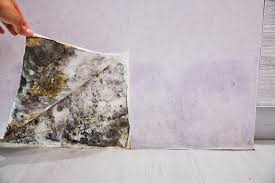
Hidden mold is mold that grows in areas you cannot easily see. It often develops behind walls, under carpets, inside HVAC systems, or in damp areas. Because it is not visible, it can go unnoticed for long periods.
However, hidden mold still releases mold spores into the air. These spores can affect your indoor air quality and lead to health problems. Over time, mold contamination can also damage building materials and reduce property value.
That is why early hidden mold detection is important. Professional inspectors use tools such as moisture meters and air samplers to detect mold growth in hidden spaces.
1. Persistent Musty Smell in Your Home
A musty odor is one of the most common signs of mold in home environments. Even if you cannot see mold, the smell often indicates mold spores are present. This odor is usually stronger in enclosed or humid areas.
If the smell persists after cleaning, mold may be hidden behind walls or under flooring. In many cases, homeowners notice this smell in basements, bathrooms, or near HVAC systems.
If you detect a persistent odor, it is best to schedule mold testing services to identify the source.
2. Visible Water Damage or Stains
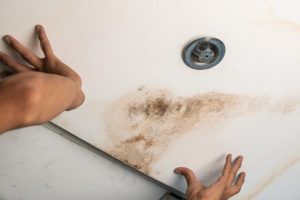
Water damage is a major cause of mold growth. Stains on walls, ceilings, or floors may indicate moisture problems behind surfaces. These areas often create ideal conditions for mold growth.
Even if the surface appears dry, mold can still grow underneath. Therefore, water stains should never be ignored.
Professional inspectors can assess these areas and determine whether hidden mold in walls is present.
3. Allergy Symptoms or Respiratory Issues
Health symptoms are often linked to mold exposure symptoms. Many homeowners experience allergies, coughing, or breathing problems without realizing that mold is the cause.
Common symptoms include:
- Sneezing and nasal congestion
- Eye irritation
- Headaches
- Difficulty breathing
If symptoms improve when you leave your home, indoor mold may be affecting your air quality. In such cases, indoor air quality testing is highly recommended.
4. Peeling Paint or Wallpaper
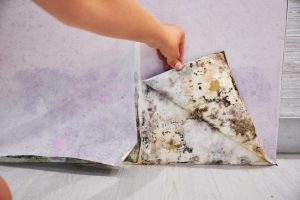
Peeling paint or bubbling wallpaper often indicates excess moisture. Moisture creates ideal conditions for mold growth behind walls.
Even if mold is not visible, it may already be growing underneath the surface. This is a common sign of hidden mold behind drywall.
Inspecting these areas early helps prevent further damage and contamination.
5. High Humidity Levels Inside Your Home
High humidity is a major contributor to mold growth. When humidity levels are above normal, mold can grow quickly in hidden areas.
Homes in California coastal regions are especially prone to humidity-related mold issues. Bathrooms, kitchens, and basements are common problem areas.
Using dehumidifiers can help, but persistent humidity may require a professional mold inspection in California.
6. Warped Walls or Flooring
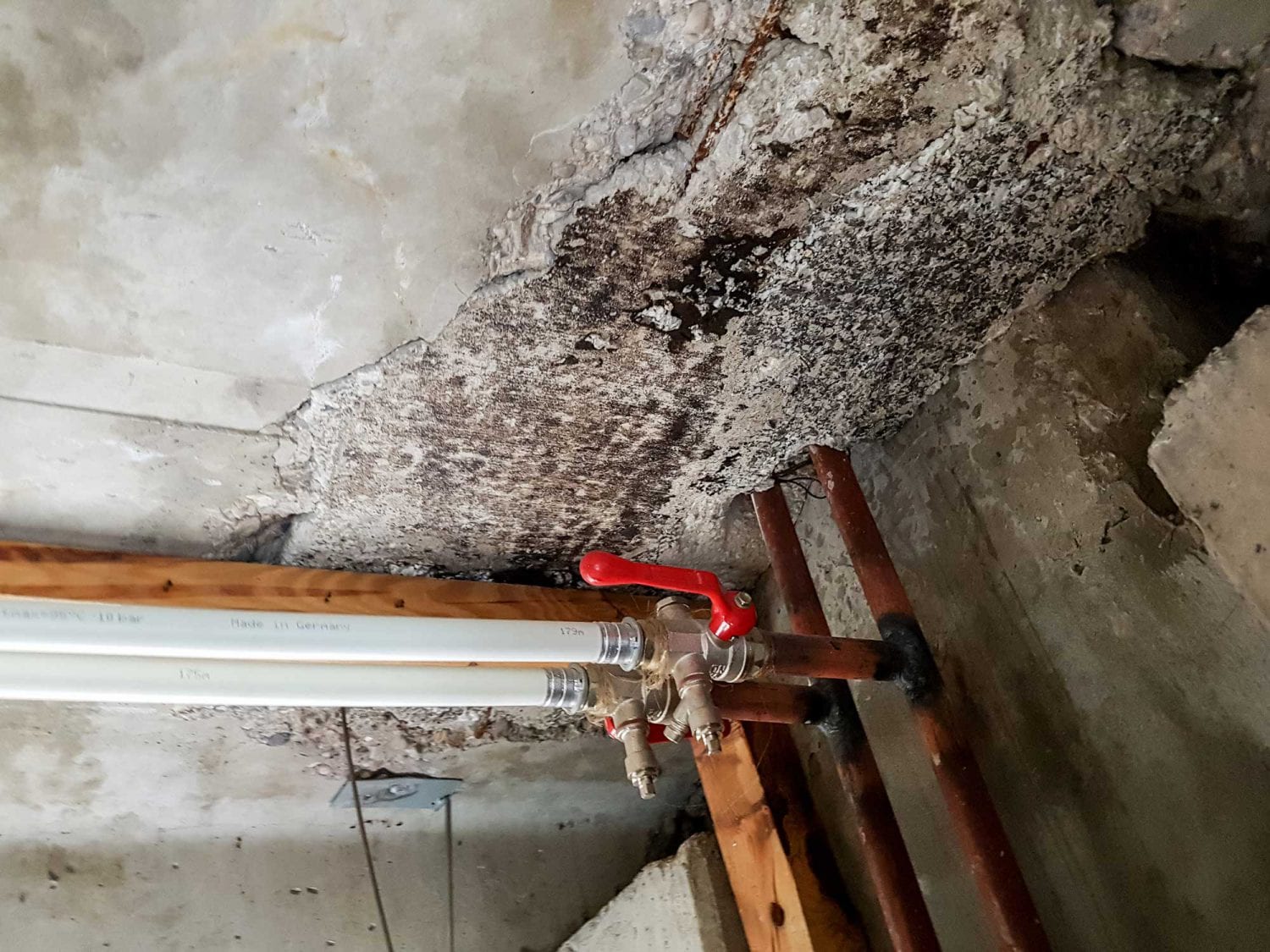
Warped or buckling materials often indicate moisture buildup. This can occur due to leaks, flooding, or condensation.
When moisture gets trapped, it creates an environment where mold thrives. Over time, this leads to hidden mold growth behind surfaces.
If you notice structural changes, it is important to investigate immediately.
7. Recent Water Damage or Flooding
Water damage is one of the leading causes of mold problems. Even minor leaks can lead to mold growth within 24–48 hours.
After flooding or water damage, mold may develop behind walls or under flooring. This is why mold testing after water damage is often recommended.
Professional testing can confirm whether mold contamination is present.
8. Mold Spots in Certain Areas
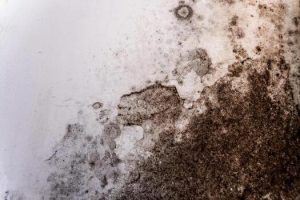
Visible mold in one area often means hidden mold exists elsewhere. Mold spreads through spores, which travel through the air.
If you see mold on walls or ceilings, there is a strong chance it’s also growing behind surfaces.
A professional mold inspector can determine the extent of contamination.
9. Increased Indoor Air Quality Issues
Poor indoor air quality can be a sign of mold contamination. Mold spores in the air can cause discomfort and health problems.
You may notice:
- Stale or heavy air
- Increased dust accumulation
- Persistent odors
Air sampling and mold testing services help identify these issues and improve air quality.
10. Unexplained Health Symptoms That Persist
Sometimes, mold exposure symptoms are subtle but ongoing. Chronic fatigue, headaches, and irritation may indicate mold presence.
These symptoms often worsen indoors and improve outside. This pattern suggests environmental factors inside the home.
In such cases, professional mold inspection and testing are essential to identify hidden mold sources.
How to Detect Hidden Mold in Your Home
Detecting hidden mold requires more than a visual inspection. Professional inspectors use advanced tools to locate mold growth and moisture sources.
At Insight Environmental, we use:
- Moisture detection equipment
- Infrared cameras
- Air and surface sampling
- Indoor air quality analysis
These methods help identify mold contamination even in hidden areas. Additionally, they provide accurate data for proper remediation.
For more details, you can explore our mold inspection services and indoor air quality testing solutions to understand how we help homeowners.
When Should You Call a Professional?
Knowing when to call a professional is important. While some signs are obvious, others require expert evaluation.
You should schedule a mold inspection or mold testing if:
- You notice multiple warning signs
- Your home has experienced water damage
- You suspect hidden mold behind the walls
- You experience ongoing health symptoms
Professional inspections provide clarity and prevent long-term damage.
Frequently Asked Questions
1. What are the most common signs of hidden mold in your home?
Common signs of hidden mold include a musty smell, water stains, peeling paint, and increased allergy symptoms. You may also notice high humidity or warped walls. These warning signs often indicate mold growing behind walls or in hidden areas.
2. How can I detect hidden mold behind walls?
Hidden mold behind walls can be detected using professional tools such as moisture meters, infrared cameras, and air samplers. While visual signs may help, professional mold inspection is the most reliable way to confirm hidden mold in your home.
3. Can hidden mold affect indoor air quality?
Yes, hidden mold releases spores into the air, which can reduce indoor air quality. This can lead to respiratory issues, allergies, and other health symptoms. Indoor air quality testing helps identify mold contamination in your home.
4. When should I schedule a mold inspection or testing?
You should schedule a mold inspection or mold testing if you notice musty odors, water damage, or health symptoms. It is also recommended to detect hidden mold problems early, whether after flooding or before buying a home.
5. Is hidden mold dangerous to your health?
Yes, hidden mold can cause health issues such as coughing, headaches, allergies, and breathing problems. Long-term exposure may worsen symptoms, especially for sensitive individuals. Professional mold inspection helps identify and address these risks.
Protect Your Home from Hidden Mold
Hidden mold can impact your home and your health. Therefore, early detection is key to preventing serious problems.
At Insight Environmental, we specialize in mold inspection, mold testing, and indoor air quality testing in California. Our team helps identify hidden mold and provides reliable solutions.
Don’t wait until mold becomes a bigger issue.
Schedule Your Mold Testing with Insight Environmental Today
Protect your property and improve your indoor air quality by contacting our experts now.