Mold problems can develop quickly inside homes and buildings. Often, homeowners are unsure whether they need mold inspection or mold testing. While both services are related, they serve different purposes and involve different processes.
At Insight Environmental, we frequently help homeowners understand these services. Knowing the difference between mold inspection vs mold testing helps you make the right decision for your property. It also ensures that potential mold contamination and indoor air quality problems are identified early.
In this guide, we explain what each service involves, when you need them, and how professional inspectors detect hidden mold in homes.
Key Takeaways
- Mold inspection focuses on identifying visible or hidden mold growth in a property.
- Mold testing analyzes samples to confirm mold spores and contamination levels.
- Inspections usually involve moisture detection and visual examination.
- Mold testing includes air sampling or surface sampling to detect mold spores.
- Both services help improve indoor air quality and environmental safety.
- Professional mold inspectors determine which service is necessary.
What Is a Mold Inspection?
Mold inspection is usually the first step when homeowners suspect mold in their property. The process focuses on identifying signs of mold growth and determining whether conditions inside the property support mold development.
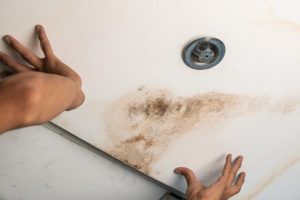
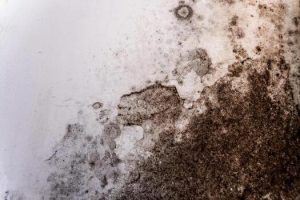
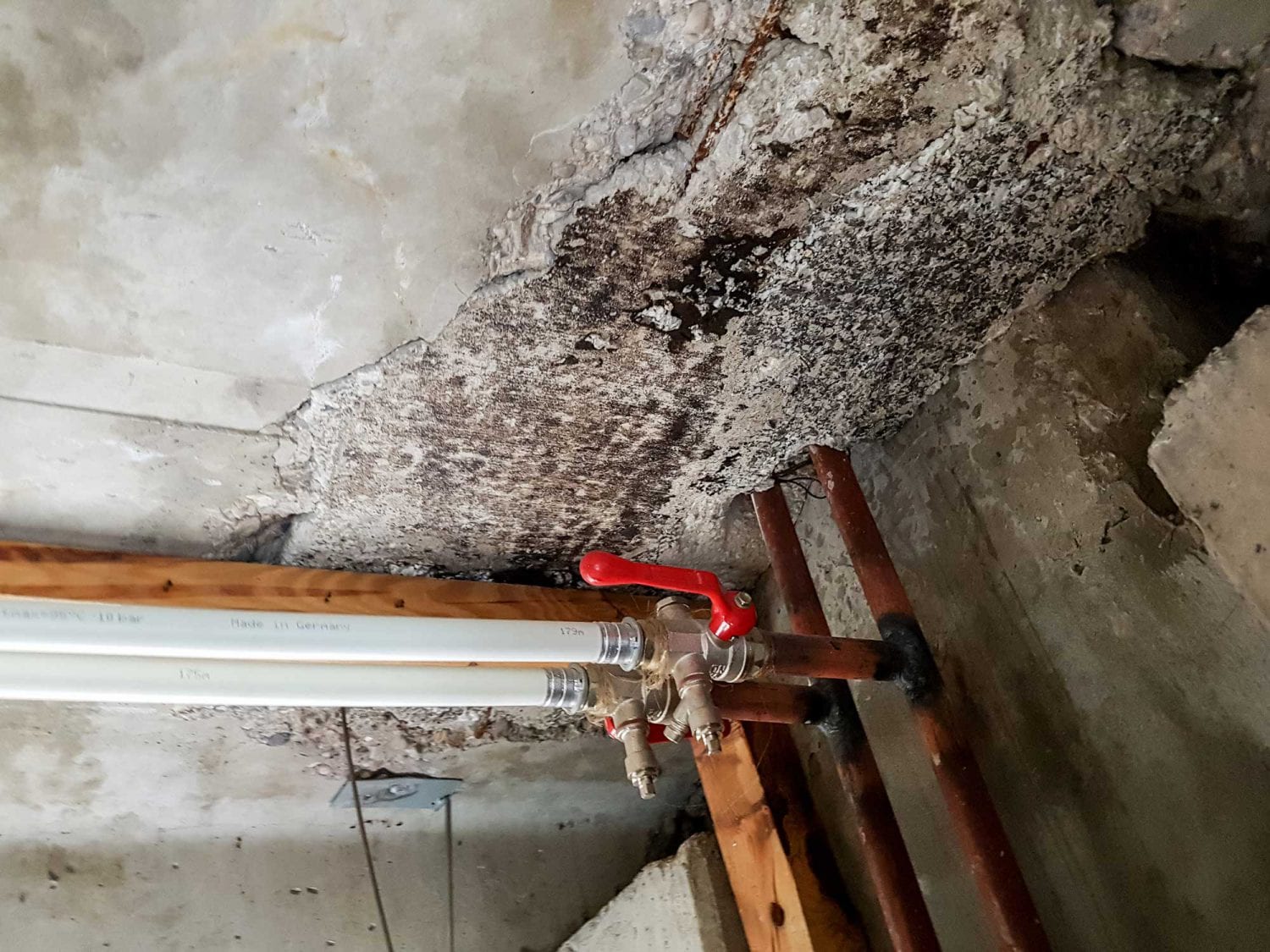
During a professional mold inspection, inspectors carefully examine the property. They look for visible mold growth, moisture problems, and water damage that may lead to mold contamination. Additionally, inspectors evaluate areas such as bathrooms, basements, attics, and crawl spaces.
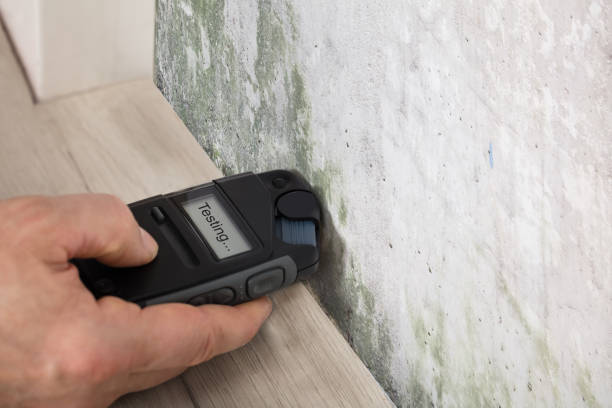
At Insight Environmental, our inspectors use specialized tools to detect hidden mold. For example, moisture meters and infrared cameras help identify damp areas behind walls. These tools help locate hidden mold growth that may not be visible during a simple walkthrough.
A typical mold inspection includes:
- Visual inspection of mold growth
- Moisture detection and leak identification
- Assessment of humidity levels
- Identification of potential mold sources
If mold is suspected but not visible, the inspector may recommend mold testing.
What Is Mold Testing?
While inspections identify potential mold issues, mold testing confirms whether mold spores are present. Testing also determines the type and concentration of mold in the air or on surfaces.
Mold testing is particularly useful when mold cannot be seen but symptoms suggest a problem. For example, unexplained odors, respiratory symptoms, or persistent humidity may indicate mold contamination.
Professional mold testing usually involves collecting samples. These samples are sent to certified laboratories for analysis. The results help determine the severity of mold contamination.
Common mold testing methods include:
Air Sampling
Air samples measure mold spores in indoor air. These samples help determine whether indoor air quality is affected by mold.
Surface Sampling
Surface samples are collected from suspected areas. These samples identify the type of mold present on materials or surfaces.
Bulk Sampling
Bulk samples involve collecting pieces of contaminated materials such as drywall or insulation.
At Insight Environmental, we perform professional mold testing in California to ensure accurate and reliable results. Testing helps confirm whether mold contamination is present and guides proper remediation.
Mold Inspection vs Mold Testing: Key Differences
Understanding the difference between mold inspection vs mold testing can help homeowners choose the right service. Although both services are related, they serve different purposes.
Mold inspection focuses on identifying mold growth and moisture problems. Mold testing focuses on analyzing samples to confirm contamination levels.
Here are the key differences:
Mold Inspection:
Identifies visible mold
- Includes visual inspection
- Detects moisture sources
- Helps locate hidden mold
Mold Testing:
- Confirms mold spores through lab analysis
- Includes air or surface sampling
- Determines mold concentration
- Identifies mold species
Often, both services work together. An inspector may perform mold testing during an inspection if contamination needs confirmation.
When Do You Need a Mold Inspection?
Many homeowners wonder when it is necessary to schedule a mold inspection. In many cases, early inspection prevents larger environmental issues from developing.
You may need a mold inspection if you notice signs of mold growth or moisture problems in your property. Inspections are also recommended before purchasing a home.
Common reasons to schedule an inspection include:
- Musty odors inside the property
- Water damage or flooding
- Visible mold spots on walls or ceilings
- Persistent humidity problems
- Health symptoms related to poor indoor air quality
Mold inspections are especially important during real estate transactions. Buyers often request inspections to identify hidden environmental hazards before purchasing a property.
Additionally, inspections can help determine whether mold remediation is necessary.
When Should You Get Mold Testing?
Mold testing is recommended when mold contamination is suspected but not confirmed. Testing provides scientific data about mold levels and helps determine whether indoor air quality is affected.
For example, testing may be necessary after water damage or flooding. Moisture can create ideal conditions for mold growth behind walls or under flooring.
You may also need mold testing if occupants experience symptoms such as:
- Allergies
- Respiratory irritation
- Chronic coughing
- Headaches related to indoor air
Testing is also common after mold remediation. Post-remediation testing ensures that mold levels have returned to normal.
At Insight Environmental, our professional mold inspectors in California help determine when testing is necessary.
How Professionals Detect Hidden Mold
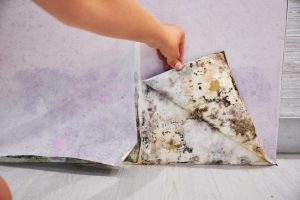
Hidden mold can grow in places that homeowners rarely see. For example, mold may develop inside wall cavities, under carpets, or inside HVAC systems.
Because hidden mold often affects indoor air quality, professional inspection is essential. Inspectors use specialized equipment to detect moisture and mold spores.
Common tools include:
- Moisture meters
- Infrared cameras
- Air sampling equipment
- Surface testing kits
These tools help identify mold contamination even when it is not visible. As a result, homeowners receive a clear understanding of potential environmental hazards in their property.
Professional inspectors also evaluate ventilation, humidity levels, and water intrusion. These factors often contribute to mold growth.
Mold Inspection vs Mold Testing for Homebuyers
Homebuyers often ask whether they need mold inspection or mold testing during real estate transactions. In many cases, inspections are recommended before closing on a property.
A mold inspection helps identify environmental hazards that could affect the home’s value. Additionally, it helps buyers avoid costly remediation later.
Mold testing may also be recommended if mold contamination is suspected. Testing confirms whether indoor air quality is affected.
Real estate professionals frequently recommend environmental inspections because they provide peace of mind. Buyers can move forward with confidence knowing the property has been thoroughly evaluated.
Frequently Asked Questions
What is the difference between mold inspection and mold testing?
A mold inspection identifies visible mold growth, moisture problems, and conditions that allow mold to develop. Mold testing, however, analyzes air or surface samples to detect mold spores and determine contamination levels. In many cases, professionals perform mold testing during an inspection to confirm the presence of mold.
Do I need mold inspection or mold testing for my home?
You typically start with a mold inspection if you suspect mold or notice moisture issues. Mold testing is recommended when mold cannot be seen but symptoms or odors suggest contamination. Professional inspectors determine whether mold testing is necessary after evaluating the property.
How does professional mold testing work?
Professional mold testing involves collecting air samples, surface samples, or bulk samples from suspected areas. These samples are sent to certified laboratories for analysis. The results help identify mold species and determine whether indoor air quality is affected by mold contamination.
When should homeowners schedule mold inspection or testing?
Homeowners should schedule mold inspection or mold testing after water damage, flooding, or persistent humidity problems. It is also recommended when buying a home or experiencing unexplained health symptoms related to poor indoor air quality.
How long does mold inspection and mold testing take?
A professional mold inspection typically takes 30 minutes to a few hours, depending on property size. Mold testing sample collection is usually quick, but laboratory analysis may take two to five days to provide detailed results.
Protect Your Property with Professional Mold Inspection
Mold problems should never be ignored. If left untreated, mold contamination can damage property and negatively affect indoor air quality.
At Insight Environmental, our team provides professional mold inspection, mold testing, and indoor air quality testing in California. We help homeowners identify hidden mold and environmental hazards quickly.
If you suspect mold in your home or property, early inspection can prevent costly repairs later.
Contact Insight Environmental today to schedule professional mold inspection or mold testing and ensure a healthier indoor environment.