Discovering mold in your home can be stressful. Many homeowners immediately wonder whether their insurance policy will help cover the costs. Understanding mold damage insurance California policies is important because coverage often depends on the cause of the mold and the details of your homeowners insurance plan.
At Insight Environmental, we regularly assist homeowners dealing with mold contamination, water damage, and indoor air quality issues. While we do not provide insurance services, we often help clients document mold problems through professional inspections and testing. In this guide, we’ll explain how mold damage insurance California coverage typically works and what homeowners should know before filing a claim.
Key Takeaways
- Mold damage insurance California coverage depends on the source of the mold.
- Insurance may cover mold resulting from sudden and accidental water damage.
- Mold caused by long-term neglect or maintenance issues is often excluded.
- Professional mold inspection can help document damage for insurance claims.
- Mold testing may provide valuable information about contamination levels.
- Quick action after discovering mold can improve claim outcomes.
What Mold Damage Is Typically Covered by Insurance?
Many homeowners assume that all mold damage is covered by insurance. However, that is not always the case. Coverage often depends on how the mold developed and whether the cause falls within the policy’s covered events.
In general, homeowners insurance may cover mold damage when it results from a sudden and accidental incident. Examples include a burst pipe, an unexpected appliance leak, or water damage caused by a covered storm event. Since these situations happen unexpectedly, insurance providers are more likely to consider coverage.
For example, if a washing machine hose suddenly bursts and causes water damage that leads to mold growth, the resulting mold remediation costs may be partially covered. However, every insurance policy is different. Therefore, homeowners should carefully review their policy language.
Insurance companies often evaluate:
- The source of the water damage
- How quickly the homeowner responded
- The extent of mold contamination
- Documentation supporting the claim
Professional mold inspection services can help establish the extent of the damage and identify moisture-related issues that contributed to mold growth.
When Does Homeowners Insurance Not Cover Mold Damage?
While some mold claims are covered, many situations fall outside standard homeowners insurance coverage. Insurance companies often deny claims when mold develops due to preventable maintenance issues.
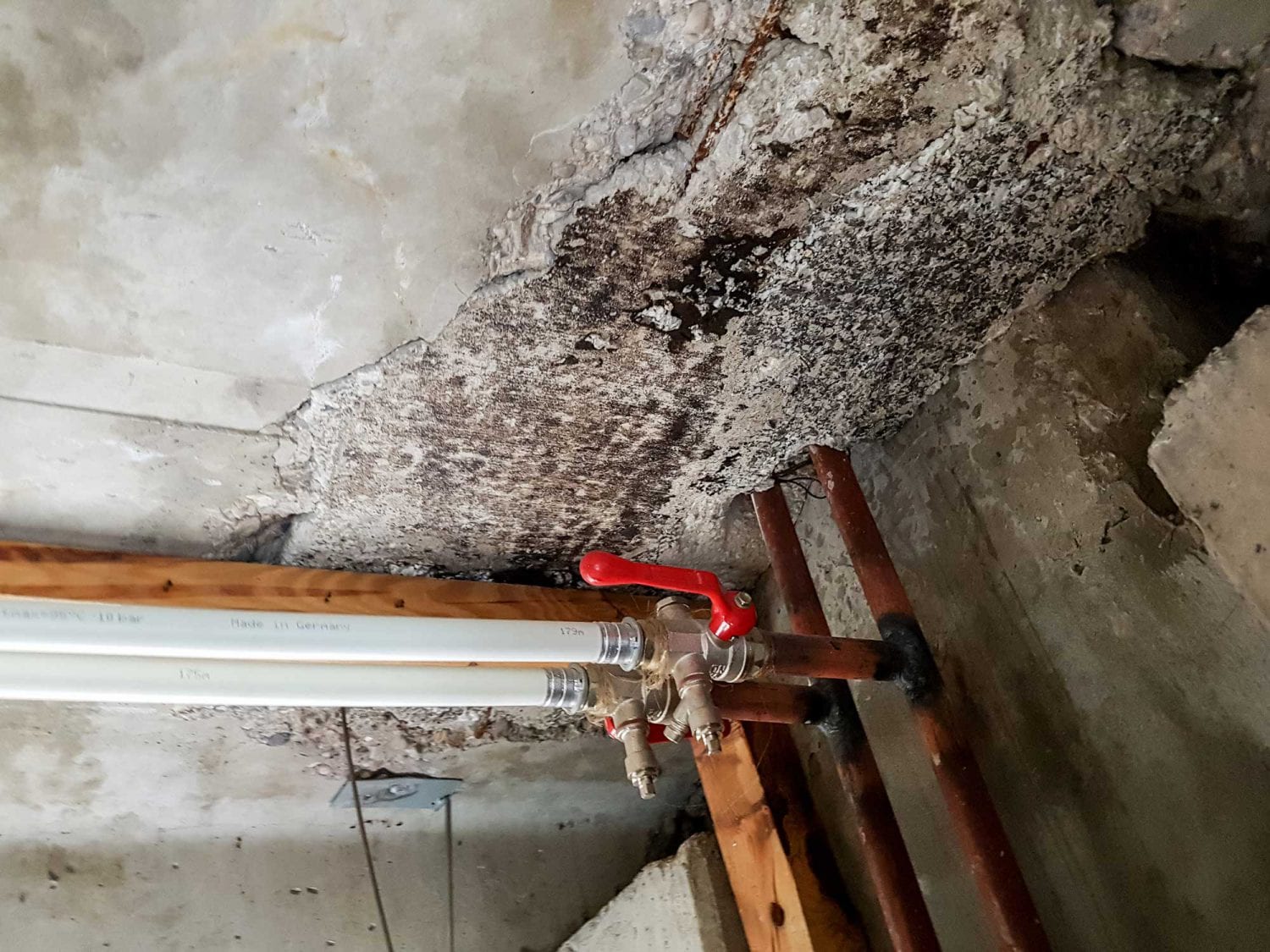
Long-term moisture problems are one of the most common reasons for claim denials. If mold develops because of an ongoing roof leak, plumbing issue, or poor maintenance, the insurance company may determine that the damage could have been prevented.
Common exclusions may include:
- Long-term water leaks
- High indoor humidity
- Deferred home maintenance
- Neglected plumbing issues
- Repeated moisture intrusion
Insurance policies generally expect homeowners to maintain their property. Therefore, mold caused by neglect is often excluded from coverage.
Additionally, some policies place specific limits on mold remediation coverage. Even when mold damage is covered, reimbursement may be capped at a certain amount.
Because policy language varies significantly, homeowners should review their policy documents and speak with their insurance representative for clarification.
How Water Damage Affects Mold Insurance Claims
Water damage plays a major role in determining whether mold damage insurance California policies provide coverage. Insurance companies often focus on the cause of the moisture rather than the mold itself.
When mold develops as a direct result of a covered water damage event, coverage may be available. However, proving the timeline is often important. The longer the mold remains untreated, the more difficult it may become to demonstrate that the damage resulted from the original covered event.
For this reason, homeowners should act quickly after discovering water damage. Immediate mitigation helps reduce property damage and demonstrates responsible ownership.
Some common covered water damage scenarios may include:
- Burst pipes
- Sudden plumbing failures
- Accidental appliance leaks
- Storm-related water intrusion
Professional documentation can help support these claims. At Insight Environmental, our inspections often identify moisture sources and hidden mold growth that may otherwise go unnoticed.
In addition to mold concerns, water damage frequently affects indoor air quality, creating additional environmental hazards inside the home.
Should You Get Mold Testing Before Filing a Claim?
Many homeowners ask whether mold testing is necessary before filing an insurance claim. While testing is not always required, it can provide valuable documentation regarding the extent of contamination.
Mold testing helps identify:
- Mold spore concentrations
- Areas of contamination
- Indoor air quality issues
- Potential health concerns
- Hidden mold growth
Testing can be particularly useful when mold is not visible, but symptoms suggest contamination. Air sampling and surface sampling provide scientific data that may support remediation decisions.
Additionally, professional testing creates a documented record of conditions inside the property. This information may be useful during discussions with insurance adjusters and remediation professionals.
For homeowners dealing with suspected contamination, our mold testing services and indoor air quality testing solutions provide detailed environmental assessments.
How Professional Mold Inspection Supports Insurance Claims
Professional mold inspection can play an important role when homeowners are documenting mold damage. While inspectors do not determine insurance coverage, they provide objective information about the condition of the property.
At Insight Environmental, our inspections focus on identifying:
- Visible mold growth
- Hidden mold contamination
- Moisture intrusion
- Water damage indicators
- Indoor environmental hazards
Using moisture meters, infrared technology, and environmental testing methods, we help homeowners understand the scope of the issue.
Inspection reports often provide valuable information for property owners, contractors, and insurance representatives. Detailed findings may help establish timelines and identify the source of moisture that contributed to mold growth.
Additionally, inspections help homeowners determine whether mold remediation is necessary and which areas require attention.
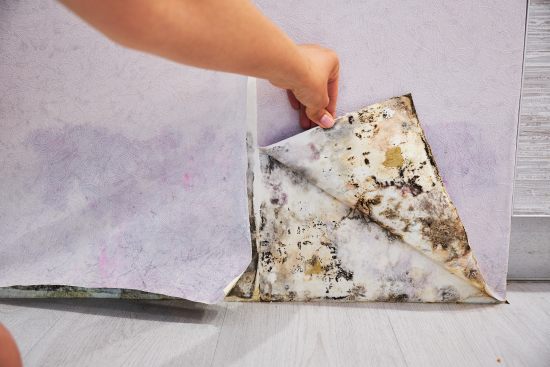
What California Homeowners Should Do After Discovering Mold
Finding mold in your home can feel overwhelming. However, taking the right steps early can help minimize damage and improve outcomes.
First, identify and stop the moisture source if possible. Since mold requires moisture to grow, addressing the underlying issue is critical.
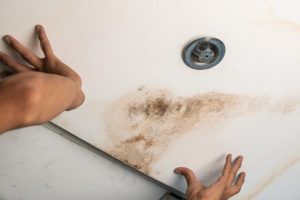
Next, document everything carefully. Take photographs of visible mold, water damage, and affected areas. Keep records of repair efforts and communications related to the issue.
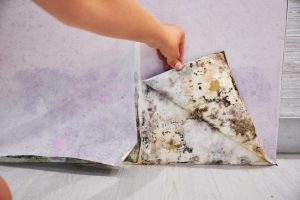
Homeowners should also consider scheduling professional environmental testing. Mold contamination is often more extensive than it initially appears. Hidden mold may exist behind walls, under flooring, or inside HVAC systems.
Recommended steps include:
- Address the water source immediately.
- Document visible damage.
- Contact your insurance provider.
- Schedule mold inspection.
- Consider mold testing if contamination is suspected.
- Follow professional remediation recommendations.
Taking these steps early may help reduce further property damage while creating a clear record of events.
Understanding Mold Coverage Limits in California
Even when mold damage is covered, coverage limits may apply. Some insurance policies include separate mold endorsements, while others impose specific dollar limits on mold-related claims.
Because policies differ significantly, homeowners should review:
- Mold coverage limits
- Water damage provisions
- Exclusions and endorsements
- Claim filing requirements
Understanding these details before an emergency occurs can help homeowners avoid surprises during the claims process.
While insurance can provide financial assistance in some situations, prevention remains the best strategy. Regular property maintenance, prompt leak repairs, and periodic inspections can
significantly reduce the risk of mold contamination.
Frequently Asked Questions
Does homeowners insurance cover mold damage in California?
Homeowners insurance may cover mold damage in California if it results from a sudden and accidental covered event, such as a burst pipe or appliance leak. Coverage varies by policy, and mold caused by long-term maintenance issues is often excluded.
What types of mold damage are usually covered by insurance?
Insurance typically covers mold damage when it is directly caused by a covered peril, such as sudden water damage from plumbing failures or storms. Coverage often includes related repairs and remediation, subject to policy limits and exclusions.
When is mold damage not covered by homeowners insurance?
Mold damage is usually not covered when it results from long-term leaks, high humidity, poor maintenance, or homeowner neglect. Insurance providers generally expect homeowners to address moisture issues before they lead to mold contamination.
Should I get a mold inspection before filing an insurance claim?
A professional mold inspection can help document the extent of mold contamination and identify moisture sources. While not always required, inspection reports and mold testing results may support your insurance claim and remediation planning.
Does homeowners insurance cover mold removal and remediation?
Some homeowners insurance policies may cover mold removal and remediation if the mold resulted from a covered water damage event. However, many policies have specific limits on mold-related claims, so reviewing your policy details is essential.
Protect Your Property with Professional Mold Assessment
Mold damage can affect both your property and indoor air quality. Understanding how mold damage insurance California policies work is important, but accurate documentation is equally valuable.
At Insight Environmental, we provide professional mold inspection, mold testing, and indoor air quality testing services throughout California. Our experienced team helps homeowners identify mold contamination, locate moisture sources, and gain a clear understanding of environmental conditions.
Get Expert Mold Inspection Support from Insight Environmental
If you’ve discovered mold in your home, don’t wait for the problem to worsen. Contact Insight Environmental today to schedule a professional inspection and receive the information you need to make confident decisions about your property.